
Why Some People Fear Conflict Even in Healthy Relationships
For some people, conflict is uncomfortable.
For others, it feels overwhelming.
A simple disagreement can trigger:
anxiety
panic
overthinking
people-pleasing
emotional shutdown
fear of abandonment
Even when the relationship itself is healthy.
They may know their partner loves them.
They may know their friend is supportive.
They may know the conversation is safe.
Yet their body reacts as though something much bigger is happening.
If you've ever thought:
"Why does every disagreement feel so intense?"
You're not alone.
For many people, the fear of conflict has less to do with the current relationship and more to do with what conflict meant earlier in life.

Conflict Does Not Feel Safe to Everyone
Healthy relationships include disagreements.
People have different opinions.
Different needs.
Different perspectives.
Conflict itself is not a sign that a relationship is failing.
In fact, healthy conflict can strengthen trust and communication.
But when someone has learned that conflict leads to emotional pain, their nervous system may react differently.
Instead of viewing conflict as a normal part of connection, they may experience it as:
rejection
abandonment
criticism
loss of love
emotional danger
The body responds as though the relationship itself is under threat.
Childhood Experiences Shape Adult Reactions
Many people who fear conflict grew up in environments where disagreements felt unsafe.
Perhaps conflict involved:
yelling
criticism
emotional withdrawal
unpredictable reactions
being blamed
feeling ignored
Children naturally adapt to their environments.
Some learn to stay quiet.
Some become people-pleasers.
Some avoid expressing needs altogether.
These strategies help create safety in childhood.
The challenge is that they often continue into adulthood.
If you haven't already, you may also find it helpful to read How Childhood Trauma Can Affect Adult Relationships.
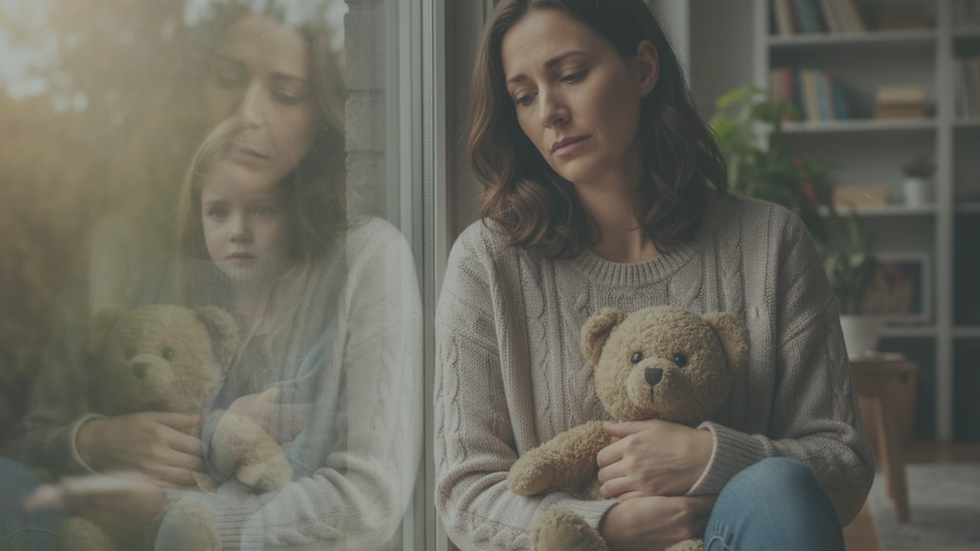
Your Nervous System May Still Be Protecting You
One reason conflict feels so intense is because the nervous system remembers experiences long after they are over.
A disagreement with a supportive partner may activate old survival responses.
You may notice:
your heart racing
difficulty thinking clearly
an urge to apologize immediately
fear of saying the wrong thing
wanting to escape the conversation
This does not mean the relationship is unsafe.
It may mean your nervous system has learned to associate conflict with danger.
The body reacts before the mind has time to evaluate the situation.
Healthy Conflict Is Different Than Emotional Manipulation
Many people who fear conflict struggle to tell the difference between normal disagreements and harmful dynamics.
Healthy conflict includes:
respect
listening
accountability
compromise
emotional safety
Both people can express themselves without fear of punishment.
Emotional manipulation often looks very different.
It may include:
guilt-tripping
blame-shifting
gaslighting
intimidation
making someone responsible for another person's emotions
Understanding this distinction can be incredibly healing.
If this resonates, you may also find value in reading The Difference Between Conflict and Emotional Manipulation.

Sometimes the Fear Comes From Past Relationships
Not all conflict fears begin in childhood.
Some develop after emotionally harmful relationships.
When disagreements consistently lead to:
criticism
shame
emotional withdrawal
unpredictable reactions
manipulation
the nervous system begins expecting those outcomes again.
This can make future relationships feel difficult, even when they are healthier.
Many people continue preparing for harm that is no longer present.
If this sounds familiar, you may also find it helpful to read Why Emotional Abuse Can Be Hard to Recognize.
Common Signs of Fear of Conflict in Healthy Relationships
You may notice yourself:
avoiding difficult conversations
agreeing when you disagree
apologizing excessively
overexplaining yourself
worrying constantly about upsetting others
feeling responsible for everyone's emotions
replaying conversations afterward
fearing that conflict will end the relationship
These patterns are often protective adaptations, not personality flaws.
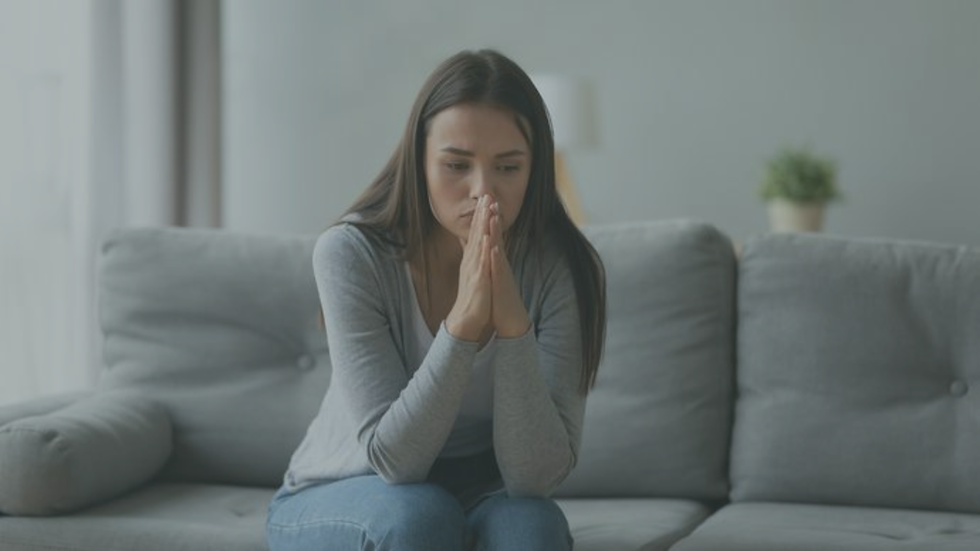
Healing Means Learning That Conflict Is Not Rejection
One of the most important parts of healing is helping the nervous system learn a new experience.
Conflict does not automatically mean:
abandonment
rejection
punishment
loss of connection
Healthy relationships can survive disagreement.
In fact, healthy conflict often creates stronger trust because both people learn they can be honest without losing the relationship.
Over time, therapy, healthy relationships, and emotional regulation skills can help the nervous system feel safer during difficult conversations.
Attachment Styles and Conflict
Attachment patterns often influence how people respond to conflict.
Individuals with anxious attachment may fear that disagreement means someone will leave.
Individuals with avoidant attachment may feel overwhelmed and withdraw.
Both responses are attempts to create emotional safety.
Neither means something is wrong with you.
Understanding attachment can help explain why conflict feels so emotionally intense, even when the relationship itself is healthy.
Support from Find Your Balance Center for Growth & Change
Find Your Balance Center for Growth & Change provides therapy and medication management services throughout California through secure telehealth.
We support individuals navigating:
relationship difficulties
attachment concerns
anxiety
trauma
emotional abuse recovery
self-esteem challenges
life transitions
Our clinicians help clients better understand relationship patterns, strengthen emotional regulation, and build healthier connections with themselves and others.
Conclusion
If conflict feels overwhelming, it does not necessarily mean you are too sensitive.
It may mean your nervous system learned that conflict was unsafe.
The good news is that these patterns can change.
With support and awareness, it is possible to experience disagreement without feeling threatened.
You can learn that conflict does not automatically mean rejection.
And you can build relationships where honesty and connection coexist.
Understanding the root causes of fear of conflict in healthy relationships can help people build stronger communication skills, healthier boundaries, and greater emotional safety.
Taking the Next Step
If relationship anxiety, attachment concerns, trauma, or emotional overwhelm are affecting your well-being, support is available.
You do not have to navigate it alone.
👉 Book now: https://www.findyourbalancecenter.com/book-now
📞 Call or text: (818) 927-0478
Frequently Asked Questions
Why do I get anxious during conflict?
Many people become anxious during conflict because past experiences taught their nervous systems that disagreements were associated with emotional danger or rejection.
Can childhood trauma cause fear of conflict?
Yes. Childhood experiences involving criticism, emotional unpredictability, yelling, or emotional neglect can contribute to conflict anxiety later in life.
Is it normal to avoid difficult conversations?
Many people avoid conflict as a way to protect themselves emotionally. However, avoidance can sometimes create additional stress and relationship difficulties over time.
What is the difference between conflict and emotional manipulation?
Healthy conflict involves mutual respect and communication. Emotional manipulation often involves guilt, blame, gaslighting, intimidation, or attempts to control another person's behavior.
Can therapy help me become more comfortable with conflict?
Yes. Therapy can help individuals understand attachment patterns, regulate anxiety, strengthen communication skills, and build healthier relationship dynamics.


Comments