
Why Being “The Strong One” Can Become Emotionally Exhausting
Everyone knows you as the strong one.
The dependable one.
The person who keeps going no matter what.
The one who:
handles crises
supports everyone else
stays calm under pressure
rarely asks for help
always seems to have it together
People admire your strength.
They rely on your resilience.
They trust you'll figure things out.
But what many people don't see is what happens behind the scenes.
The exhaustion.
The loneliness.
The pressure.
The feeling that you're carrying more than anyone realizes.
Because being the strong one can be incredibly heavy.

Strength Often Comes With Hidden Costs
Being strong is not inherently a problem.
Resilience can be a beautiful quality.
The challenge occurs when strength becomes your identity.
When you become the person who:
never falls apart
never needs support
never asks for help
never shows vulnerability
Over time, many people begin feeling trapped by the role.
They become responsible for everyone else while quietly struggling themselves.
And because others see them as strong, their pain often goes unnoticed.
Functioning Doesn't Mean You're Fine
One of the biggest misconceptions about mental health is that if someone is functioning, they must be okay.
But many people continue:
going to work
taking care of their families
showing up for others
meeting responsibilities
While feeling completely depleted inside.
They may look successful.
Capable.
Productive.
Yet internally they feel:
emotionally exhausted
disconnected
overwhelmed
burned out
This is one reason many people relate to Why You Can Feel Emotionally Exhausted Even When You're "Functioning."
Functioning and thriving are not the same thing.

The Strong One Often Learns to Ignore Their Own Needs
Many people who become "the strong one" learned early in life that their needs came second.
Perhaps they:
had to grow up quickly
cared for others emotionally
became the peacemaker
learned not to burden anyone
felt responsible for keeping things together
Over time, focusing on other people became normal.
Their own emotions became secondary.
Their own needs became optional.
The problem is that unmet needs do not disappear.
They accumulate.
When You Don't Feel Like Yourself Anymore
Many people who spend years carrying everyone else's emotional weight eventually notice something unsettling.
They no longer feel like themselves.
They may say:
"I'm exhausted all the time."
"I don't enjoy things the way I used to."
"I feel disconnected."
"I don't know who I am anymore."
This often happens because so much energy has gone toward surviving, helping, and holding everything together.
Very little energy remains for themselves.
If this resonates, you may also find value in reading Why You Don't Feel Like Yourself Anymore (And What That Can Mean).

Sometimes Strength Is Built on Survival
Many people do not become strong because they chose to.
They become strong because they had to.
They learned early that:
nobody was coming to rescue them
vulnerability felt unsafe
independence was necessary
asking for help wasn't an option
As a result, strength becomes a survival strategy.
The problem is that survival strategies often remain long after the original circumstances have changed.
Even when support is available, asking for it can feel uncomfortable.
The Connection Between Self-Worth and Being Needed
For some people, being the strong one becomes deeply connected to self-worth.
They begin believing:
"People need me."
"I have to hold everything together."
"My value comes from helping."
"I can't let anyone down."
While these beliefs often come from good intentions, they can create enormous pressure.
When self-worth becomes dependent on being useful, rest can feel guilty.
Boundaries can feel selfish.
And asking for help can feel like failure.
This dynamic is often explored further in How Childhood Trauma Can Affect Self-Worth.
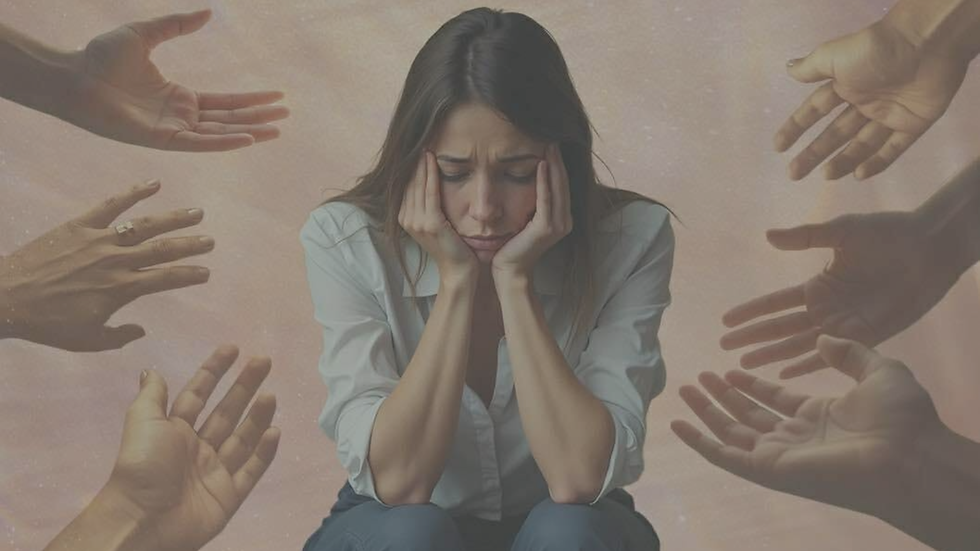
Signs Being the Strong One Is Becoming Emotionally Exhausting
You may notice:
emotional exhaustion
difficulty relaxing
resentment toward responsibilities
feeling alone despite being surrounded by people
trouble asking for support
feeling responsible for everyone else's well-being
burnout
losing touch with your own needs
Many people don't realize how much emotional energy they're carrying until they reach a breaking point.
Healthy Strength Includes Vulnerability
One of the most powerful shifts in healing is learning that strength and vulnerability can coexist.
Being strong does not mean:
carrying everything alone
suppressing your emotions
never needing support
never struggling
Healthy strength includes:
asking for help
expressing needs
setting boundaries
allowing yourself to rest
receiving support from others
In many ways, vulnerability requires more courage than pretending everything is fine.

Support from Find Your Balance Center for Growth & Change
Find Your Balance Center for Growth & Change provides therapy and medication management services throughout California through secure telehealth.
We support individuals navigating:
burnout
emotional exhaustion
anxiety
depression
trauma
self-esteem challenges
relationship stress
life transitions
Our clinicians help clients reconnect with themselves, strengthen emotional awareness, and create healthier patterns of support and self-care.
Conclusion
Being the strong one can feel rewarding.
But it can also become exhausting.
Many people spend years carrying responsibilities, emotions, and expectations that no one else fully sees.
If you've been holding everything together for everyone else, it may be worth asking:
Who's helping you carry your load?
You deserve support too.
You deserve rest too.
And you do not have to earn care by constantly being strong.
Taking the Next Step
If emotional exhaustion, burnout, anxiety, or feeling disconnected from yourself are affecting your well-being, support is available.
You do not have to carry everything alone.
👉 Book now: https://www.findyourbalancecenter.com/book-now
📞 Call or text: (818) 927-0478
Frequently Asked Questions
Why do I feel exhausted even though I'm handling everything?
Many people who are highly responsible continue functioning while experiencing emotional exhaustion, burnout, and chronic stress beneath the surface.
Why is it hard for me to ask for help?
Some individuals learn early in life that they must rely on themselves, making vulnerability and support feel uncomfortable or unfamiliar.
Can being the strong one affect mental health?
Yes. Constantly supporting others while neglecting your own needs can contribute to burnout, anxiety, emotional exhaustion, and depression.
Why don't I feel like myself anymore?
Chronic stress, emotional overload, and years of prioritizing others can leave people feeling disconnected from themselves and their needs.
Can therapy help with burnout and emotional exhaustion?
Yes. Therapy can help individuals understand their patterns, strengthen boundaries, reconnect with themselves, and develop healthier ways of coping and receiving support.


Comments