
Why Calm Can Feel Uncomfortable After Trauma
Many people assume calm should feel good.
Peaceful.
Safe.
Relaxing.
Comforting.
But after trauma, calm can feel surprisingly uncomfortable.
You may finally have a quiet moment, but instead of feeling relieved, you feel:
restless
uneasy
tense
on edge
emotionally exposed
uncomfortable in your body
like something bad might happen
unable to fully relax
This can feel confusing.
You may wonder:
“Why does calm make me anxious?”
“Why can’t I relax even when nothing is wrong?”
“Why does stillness feel unsafe?”
“Why does my body stay tense even when I’m trying to rest?”
The answer is often connected to the nervous system.
After trauma, the body may become used to survival mode. Calm can feel unfamiliar because your system has spent so much time preparing, bracing, scanning, or protecting you.

Calm May Feel Unfamiliar After Trauma
When someone has lived through trauma, chronic stress, emotional instability, or unsafe environments, the nervous system may learn to stay alert.
This alertness can become familiar.
Not comfortable, but familiar.
So when things become quiet, the body may not immediately register that as safety.
Instead, calm may feel:
strange
empty
too quiet
unpredictable
uncomfortable
like waiting for something to go wrong
This does not mean you are broken.
It may mean your nervous system has not yet learned that calm can be safe.
Why Trauma Can Make Rest Feel Unsafe
For some people, rest feels vulnerable.
When you slow down, you may become more aware of your body, emotions, memories, or thoughts. If your nervous system is used to protecting you through alertness, rest can feel like letting your guard down.
This is why trauma can make rest feel unsafe.
You may notice:
difficulty sitting still
guilt when resting
needing background noise
feeling anxious during quiet moments
staying busy to avoid uncomfortable feelings
feeling tense when nothing urgent is happening
If this sounds familiar, you may also find it helpful to read Why Trauma Can Make Rest Feel Unsafe.

Your Nervous System May Still Be Stuck in Survival Mode
After trauma, the nervous system may continue acting as if danger is nearby, even when your current environment is safer.
This can show up as:
hypervigilance
muscle tension
racing thoughts
difficulty sleeping
emotional numbness
irritability
startle responses
trouble relaxing
feeling constantly on guard
Your mind may know that things are okay.
But your body may still be responding from past experiences.
If your body still feels like it is preparing for danger, you may also find it helpful to read Why Your Nervous System Still Feels Stuck in Survival Mode.
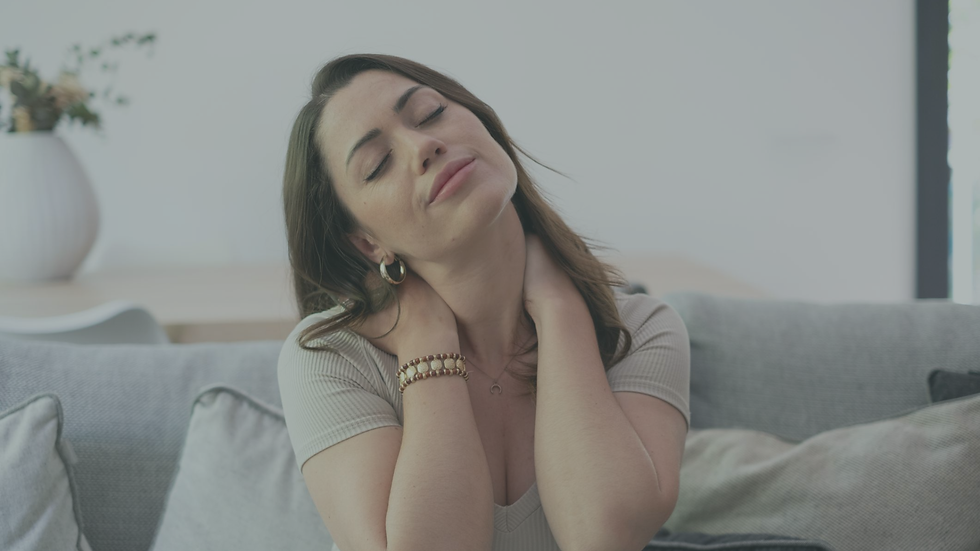
Why Your Body Holds Tension Even When You’re Trying to Relax
Trauma and chronic stress can live in the body as tension, tightness, bracing, shallow breathing, or physical discomfort.
You may try to relax, but your body may still feel:
tight
guarded
heavy
restless
clenched
unsettled
This can happen because the body learned to prepare for stress before you consciously noticed it.
Relaxation is not always as simple as telling yourself to calm down. Sometimes the body needs repeated experiences of safety before it can soften.
If your body stays tense even when you are trying to rest, you may also find it helpful to read Why Your Body Holds Tension Even When You’re Trying to Relax.
Calm Can Feel Like a Loss of Control
For people who have experienced trauma, being alert may have once helped them feel prepared.
If you were used to monitoring your environment, reading other people’s moods, anticipating conflict, or staying ready for something to happen, calm may feel unfamiliar because it removes that sense of control.
You may feel uncomfortable when:
there is silence
plans are open-ended
people are emotionally calm
nothing urgent needs your attention
your body has time to feel what it has been holding
This does not mean you actually want chaos.
It may mean your nervous system learned to associate alertness with safety.
Why Stillness Can Bring Up Emotions
When life is busy, emotions can stay pushed down.
But when things become quiet, feelings may rise to the surface.
This can include:
sadness
grief
anger
fear
loneliness
memories
body sensations
emotional overwhelm
For this reason, calm may feel uncomfortable not because calm is bad, but because stillness gives the body space to reveal what has been held inside.

Signs Calm May Feel Uncomfortable Because of Trauma or Chronic Stress
You may notice:
you feel anxious when things are quiet
you struggle to rest without guilt
you stay busy even when exhausted
you feel tense during calm moments
you cannot fully enjoy peace
you feel safer when you are prepared for problems
you feel uncomfortable when people are kind or steady
you expect something bad to happen after things feel good
your body stays guarded even when your mind says you are okay
These experiences can be connected to trauma, chronic stress, anxiety, burnout, or nervous system dysregulation.
How Somatic Therapy Can Help
Somatic therapy focuses on the connection between the body, emotions, and nervous system.
For people who feel uncomfortable with calm, somatic therapy may help by supporting:
body awareness
nervous system regulation
safer connection to emotions
recognition of stress responses
grounding skills
breathing and relaxation practices
a greater sense of safety in the body
The goal is not to force calm.
The goal is to help the nervous system gradually learn that calm can become safe, familiar, and tolerable over time.
Support from Find Your Balance Center for Growth & Change
Find Your Balance Center for Growth & Change provides therapy and medication management services throughout California through secure telehealth.
We support children, teens, adults, couples, and families navigating:
depression
emotional numbness
burnout
anxiety
trauma and PTSD
chronic stress
emotional exhaustion
life transitions
Our approach is trauma-informed, culturally responsive, and focused on practical tools that support emotional healing and nervous system regulation.
We accept a wide range of insurance plans, including:
HealthNet, Blue Shield, Anthem, Aetna, Cigna, OPTUM, Molina Medi-Cal, IEHP Medi-Cal, LA Care / Carelon, Medicare, Kaiser, TriWest, UHC, Gold Coast Health Plan, and more.
Conclusion
Calm does not always feel calming after trauma.
For many people, quiet, rest, and stillness can feel uncomfortable because the nervous system has spent so long staying alert, bracing, or preparing for something to go wrong.
This does not mean you are doing anything wrong.
It may mean your body is still learning what safety feels like.
With support, calm can become less threatening over time. Somatic therapy and trauma-informed care can help you understand your nervous system, reconnect with your body safely, and build a greater sense of steadiness from the inside out.
Taking the Next Step
If calm feels uncomfortable, rest feels unsafe, or your body stays tense even when you are trying to relax, therapy can help.
You do not have to force yourself to “just calm down.”
You can learn to understand what your nervous system has been carrying and begin building safety at a pace that feels supportive.
👉 Book now: https://www.findyourbalancecenter.com/book-now
📞 Call or text: (818) 927-0478
Frequently Asked Questions
Why does calm feel uncomfortable after trauma?
Calm can feel uncomfortable after trauma because the nervous system may be used to staying alert, guarded, or prepared for something to go wrong. Quiet moments may feel unfamiliar or unsafe at first.
Why does rest make me anxious?
Rest can make some people anxious because slowing down may bring up emotions, memories, body sensations, or thoughts that were easier to avoid while staying busy.
Can trauma make your body stay tense?
Yes. Trauma and chronic stress can contribute to muscle tension, bracing, shallow breathing, tightness, and difficulty relaxing.
What is somatic therapy for trauma?
Somatic therapy focuses on the connection between the body, emotions, and nervous system. It can help people build body awareness, grounding skills, and nervous system regulation.
Can online therapy help with trauma and nervous system regulation?
Yes. Online trauma therapy can help people explore stress responses, emotional patterns, body tension, and nervous system regulation through secure telehealth.
When should I seek therapy for trauma-related stress?
You may benefit from therapy if calm feels uncomfortable, rest feels unsafe, your body stays tense, or you feel stuck in survival mode even when life is no longer immediately dangerous.


Comments